
Best PCOS Diet: What to Eat?(+ Free Meal Plan)
What should you actually eat
with PCOS?
There’s no single “perfect” diet for PCOS.
But there are certain foods and structures that make a real difference.
When it comes to stabilizing blood sugar, reducing inflammation and supporting your hormones.
And that’s where most people get it wrong.
It’s not about eating less.
It’s about eating in a way your body can actually respond to.
1. Start with protein
Protein is your foundation.
It helps stabilize blood sugar, reduce cravings and keeps you full for longer.
Especially in the morning, this makes a huge difference. Aim for ~30g of protein per meal
Examples of ~30g protein:
2 eggs + 150g egg whites
200g Greek yogurt + protein powder
120–150g chicken or fish
150g tofu + side of yogurt or legumes
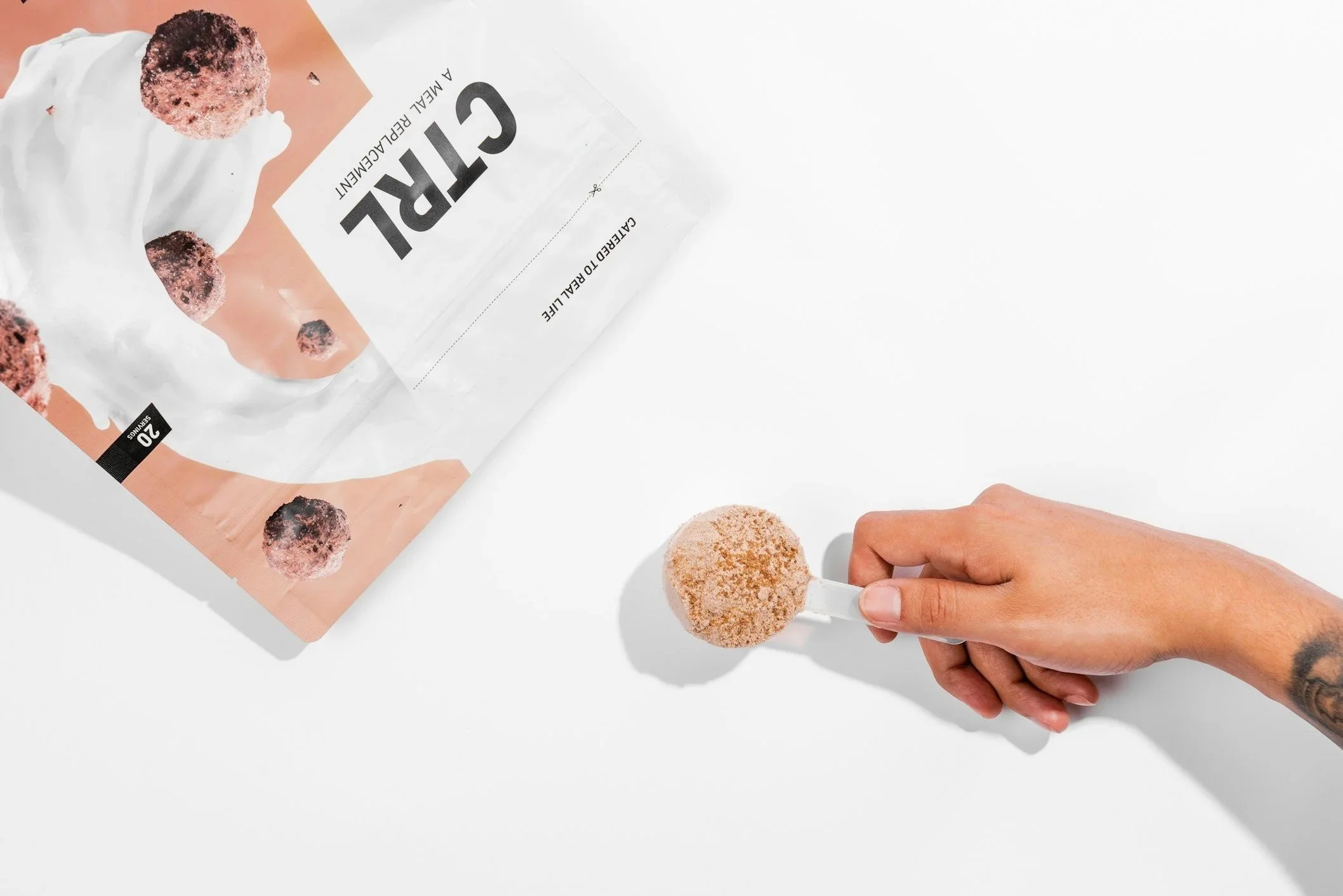
Protein shake (30g protein)
2. Add fibre
Fibre is underrated, but one of the most powerful tools for PCOS.
It supports gut health, reduces inflammation and helps keep your blood sugar more stable.
Aim for ~25–35g per day
Good sources of fibre:
vegetables (broccoli, zucchini, spinach)
berries
oats
chia seeds, flaxseeds
lentils, chickpeas, beans
3. Don’t cut carbs
Carbs are not the problem.
The way you eat them is.
With PCOS, the goal is not to remove carbs but to use them in a smarter way.
Always:
pair carbs with protein + fats
avoid eating them alone
adjust amount based on your activity
Better carb sources:
quinoa
brown rice
oats (steel-cut or rolled)
lentils
chickpeas
black beans
whole grain products
4. Include healthy fats
Healthy fats are essential for hormone production and help reduce inflammation.
They also support nutrient absorption so your body can actually use what you eat.
Include fats daily
Good sources:
olive oil
avocado
walnuts
chia seeds, flaxseeds
fatty fish like salmon
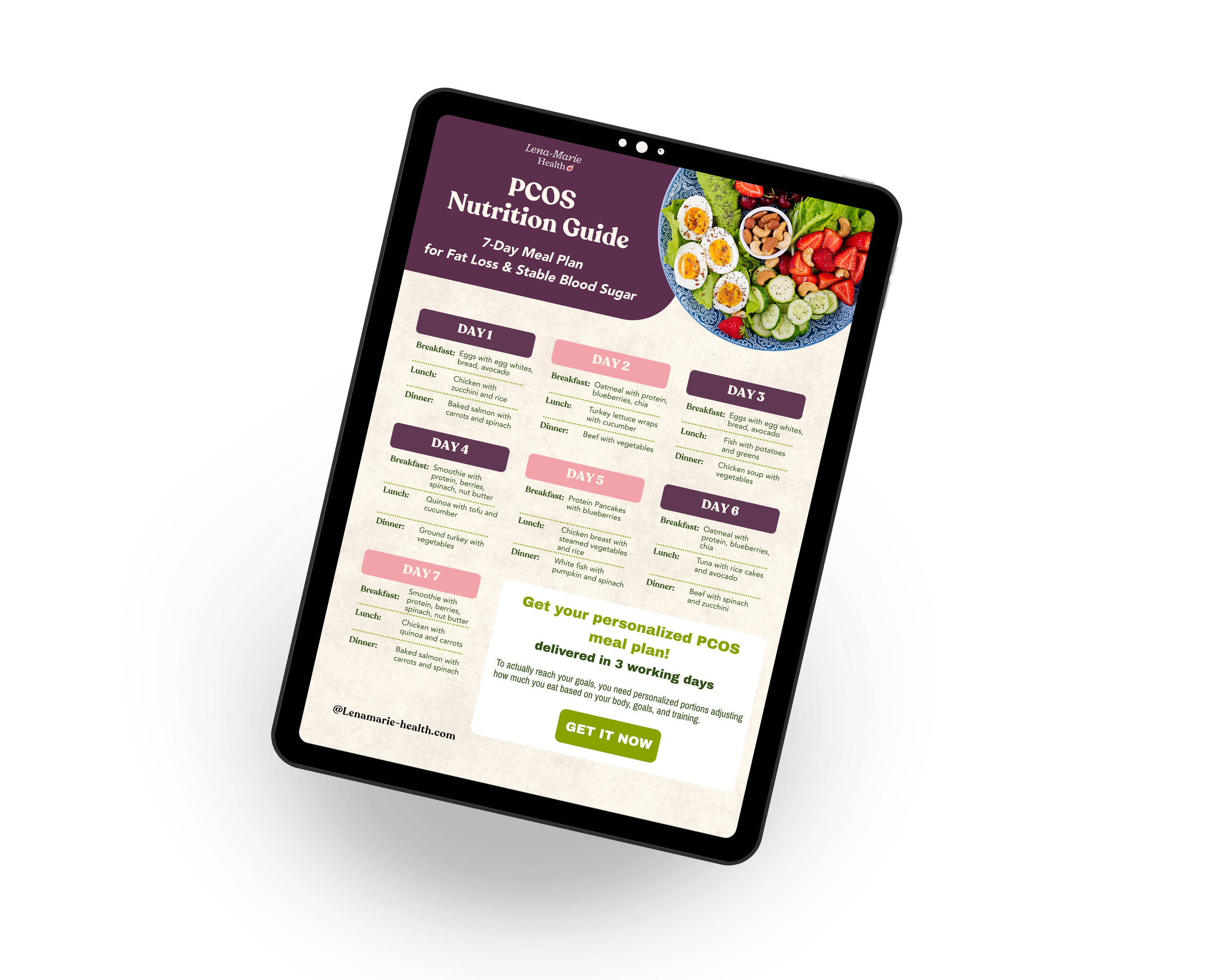
Free 7-Day PCOS Meal Plan
Simple meals for fat loss, stable blood sugar and fewer cravings.
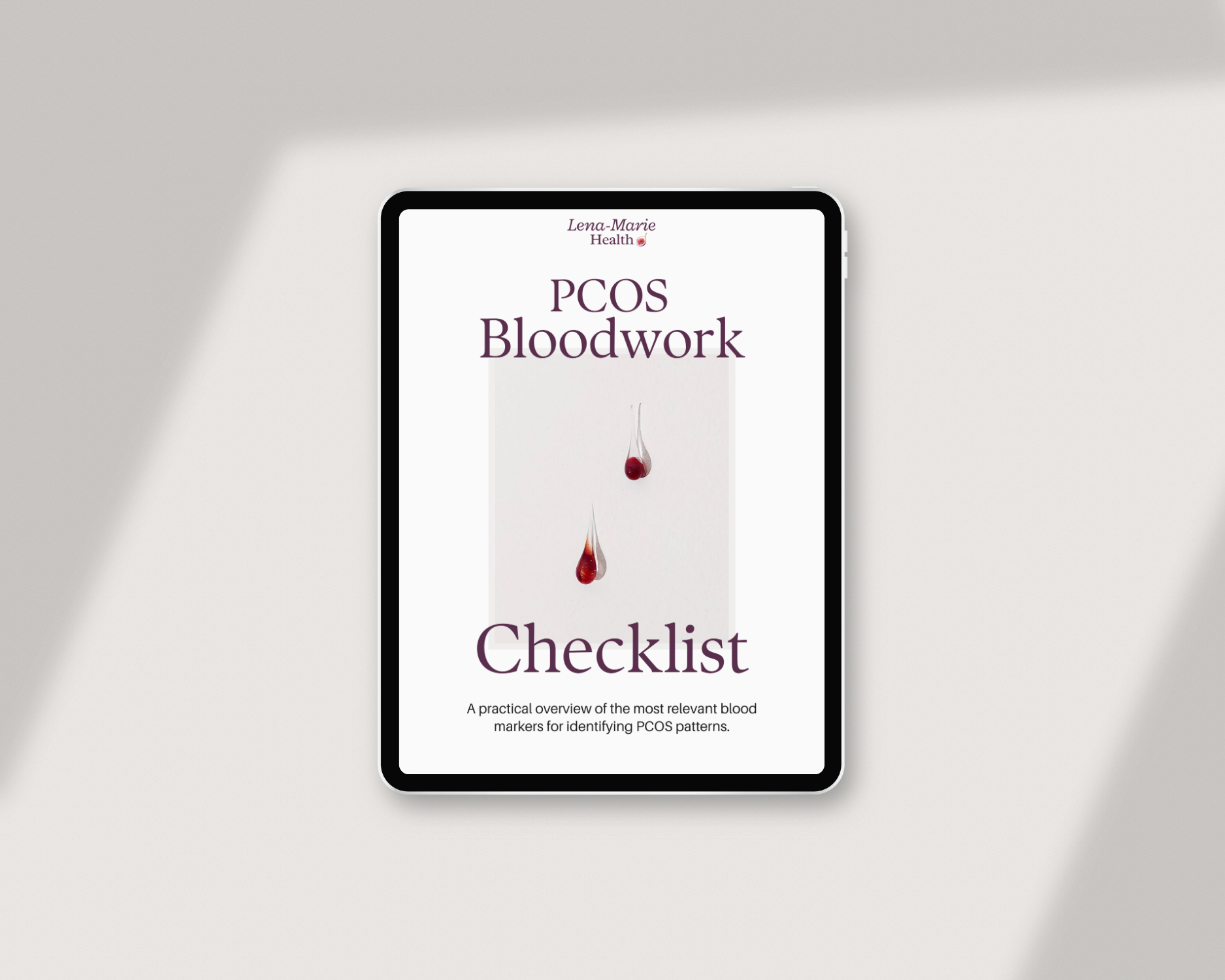
Get my free PCOS Bloodwork Checklist.
This free checklist is a practical overview of what and when to test blood markers with PCOS.
