
I Tried 12-3-30 for a Month: Here’s How My Body Changed
Main Takeaways:
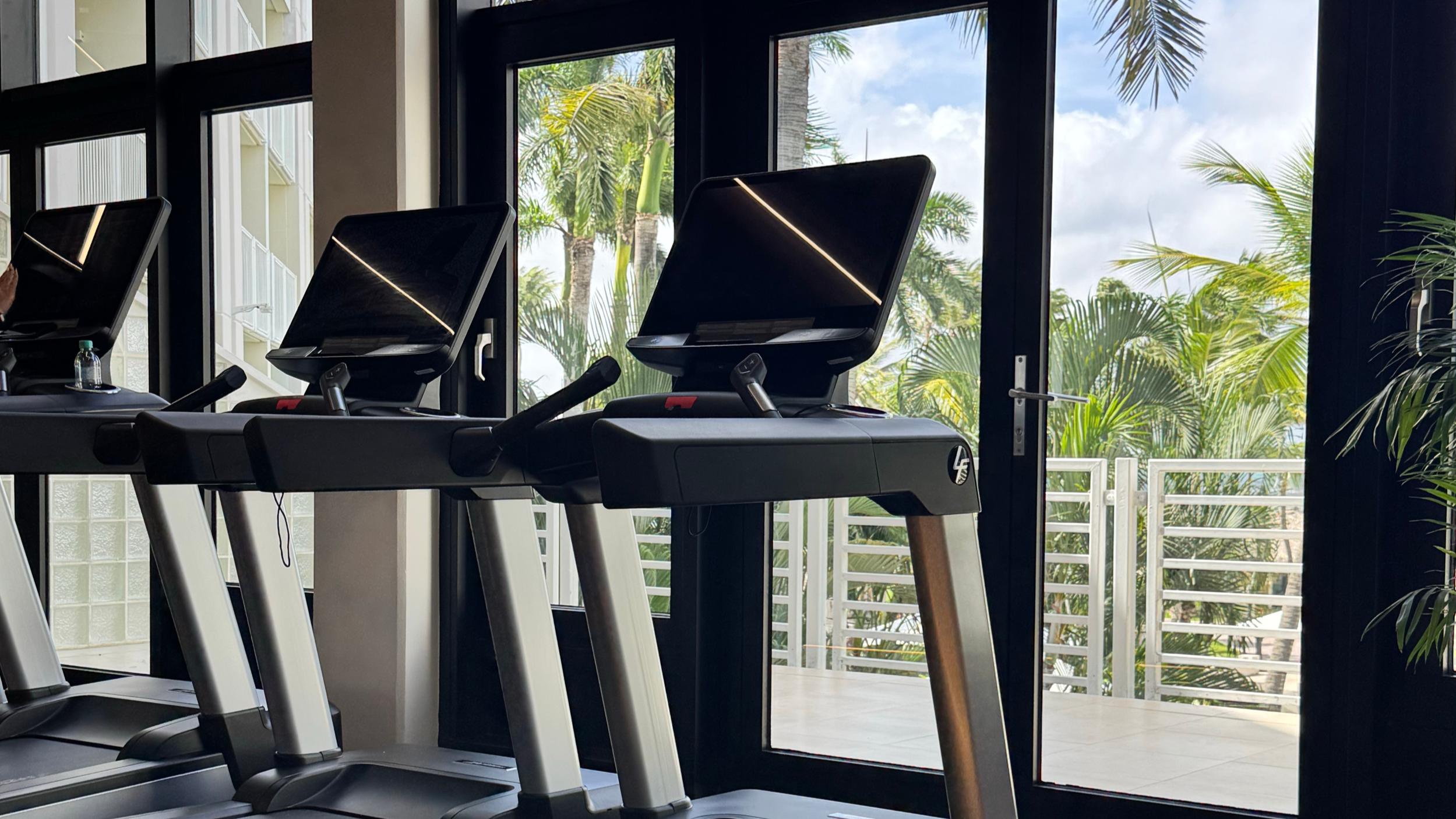
Incline 12. Speed 3. 30 minutes on the treadmill.
I feel more stable, less hungry, and overall more in control of my energy.
Lower intensity workouts support your blood sugar and hormones without putting your body under constant stress.
If you’ve spent any time on TikTok recently, you’ve probably seen the 12-3-30 workout. Incline 12. Speed 3. 30 minutes on the treadmill. Simple. Repetitive. And apparently… life-changing.
It’s often presented as this effortless way to lose weight and “tone your body” without doing too much.
So I wanted to see what would actually happen. Not in theory, but in real life :)
I did 12-3-30 consistently for a month and paid attention to how my body responded. Here’s the honest version of it.
The First Week: It Felt… Almost Too Easy
The first few sessions surprised me. I was sweating, my heart rate was up, but it didn’t feel exhausting.
No shaking legs, no complete burnout. And if you’re used to intense workouts (I like to play a loooot of padel) that can feel almost uncomfortable. Like you’re not doing enough. I was thinking: “I really don’t know if this is even effective?” “Am I waisting my time?”.
But as a PCOS coach, I know and try to remind myself how important calm, moderate-intensity workouts can be. So I stayed consistent and really tried to stay open to it.
What Actually Changed in My Body
My Energy Felt More Stable
This was probably the biggest difference. Normally after workouts, especially my intense padel games, I often feel drained or really really hungry. With 12-3-30, that didn’t happen. No big energy crashes. No extra naps in the afternoon, I could just keep working till afternoon on my laptop without yawning and feeling exhausted,
2. I Had Less Appetite
Usually my body screams “FOOOOOD” after long padel sessions, which makes sense because I sometimes play 3 to 4 hours and burn a lot of calories. But what I noticed is that even in the days after, it still feels like my body is constantly trying to refuel, like it’s searching for energy all the time. So I rarely end up in a calorie deficit. That’s not necessarily a problem, but I do have to be careful not to overeat.
With 12-3-30, that constant “I need food 24/7” feeling wasn’t as strong.
And that actually makes sense from a physiological perspective. Lower intensity cardio tends to support more stable blood sugar instead of pushing your body into a high stress response.
3. No, My Belly Fat Didn’t Suddenly Disappear
Let’s be real for a second. If you’re starting this workout because you saw someone say it flattens your stomach in two weeks… that wasn’t my experience.
There was no dramatic before-and-after. What I did notice:
less bloating in the evening
a slightly tighter feeling overall
less water retention
But actual fat loss didn’t come from this alone. That still depends on your overall routine: nutrition, consistency, recovery.
Why Is It Perfect for PCOS?
A pattern I see a lot with women with PCOS is this:
→ Doing more and more
→ getting frustrated
→ pushing even harder
→ and still not seeing results
→ It becomes a cycle of stress
12-3-30 can interrupt that cycle a bit. Because it puts less stress on your system while still moving your body. You’re improving insulin sensitivity in your muscles and using energy in a more steady way, without big spikes in blood sugar or cortisol. That often means fewer crashes, fewer cravings, and a more regulated system overall.
My Honest Take
If you feel like your body isn’t responding, especially with PCOS,
the answer is usually not to go harder. It’s to go smarter.
Instead of asking
“What burns the most calories?”
A better question is
“What can I do consistently without stressing my body?”
For me, 12-3-30 fit into that. Not as a solution for everything but as one piece that actually worked with my body, not against it.
Stop Guessing Your Hormones. Get the Checklist.
Get my free PCOS Bloodwork Checklist.
This free checklist is a practical overview of what and when to test blood markers with PCOS.
